Practical Workshops
for multicultural teams, focusing on how communication, expectations, emotions, and cultural differences affect everyday teamwork.
Filters
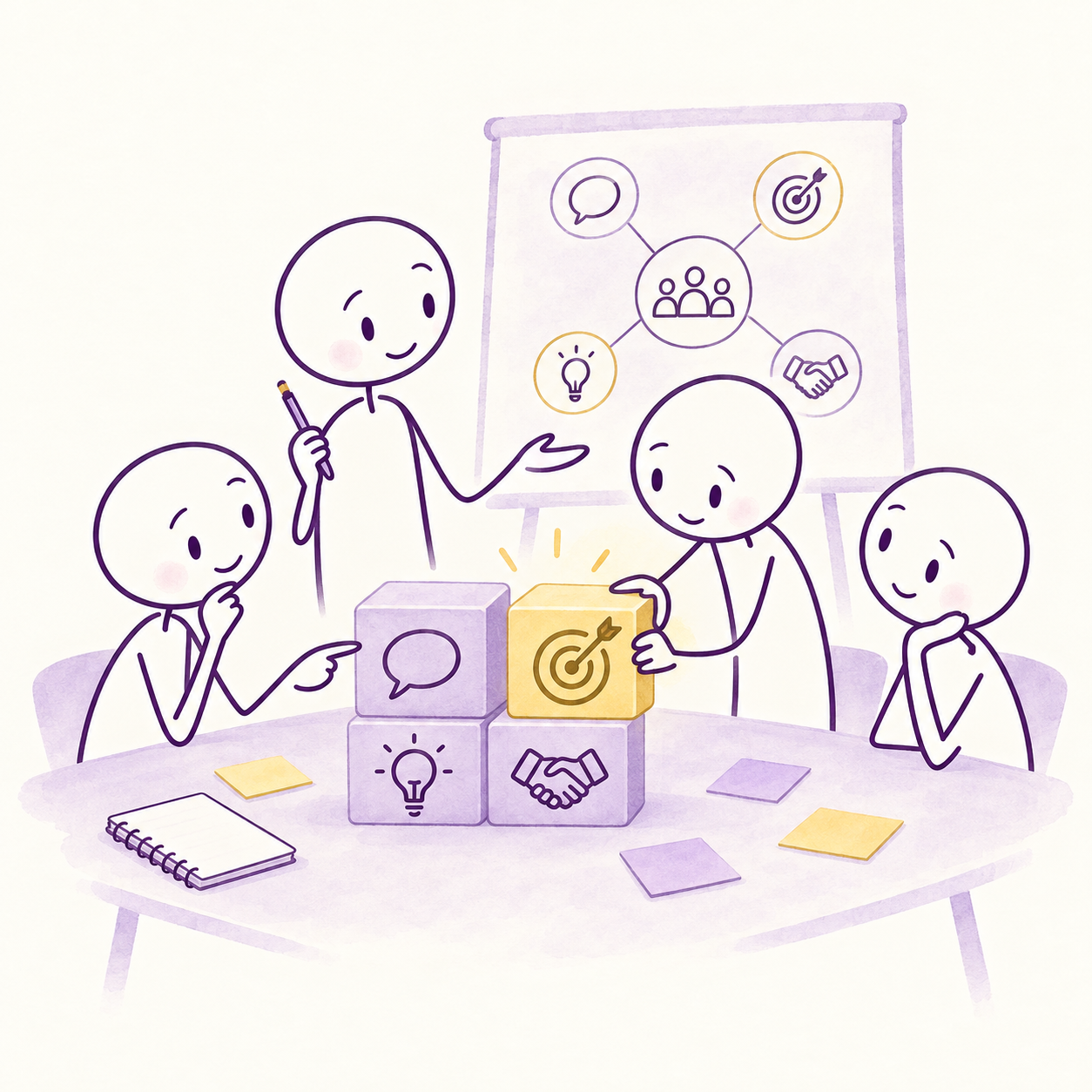
Practical activities designed to strengthen collaboration, communication, and cultural awareness in multicultural teams.
What it enables
Traditional team-building activities help colleagues get to know each other.
This workshop goes a step further by helping multicultural teams understand how culture influences communication, collaboration, decision-making, and workplace behaviour.
Who it’s for
Multicultural or international teams
Project teams working across cultures
Managers and team leaders in global organisations
HR and People & Culture professionals
Teams experiencing communication or collaboration challenges
Key topics
How culture influences communication, decision-making, and workplace behaviour
Different cultural priorities (e.g., efficiency, hierarchy, relationships, structure, quality)
Misunderstandings and assumptions in multicultural teamwork
Experiential learning through shared tasks and reflection
Cultural awareness, empathy, and behavioural adaptation in teams
Workshop format
Interactive experiential workshop combining indoor and/or outdoor activities with structured reflection.
Participants complete the same tasks under different cultural “lenses” or instructions, simulating how cultural perspectives influence collaboration and outcomes.
The session includes facilitated reflection on behaviours, assumptions, and communication styles, linking experience to real workplace dynamics.
Activities are adapted to each client’s organisational context and team needs.
Duration
Flexible (depending on design)
Group size
Up to 15 participants (adaptable for larger groups depending on setup)
Expected outcomes
Participants will be able to:
Recognise how cultural differences influence teamwork and behaviour
Identify common sources of misunderstanding in multicultural collaboration
Develop greater empathy for different working styles and priorities
Improve communication and coordination in diverse teams
Strengthen trust and collaboration through shared experience
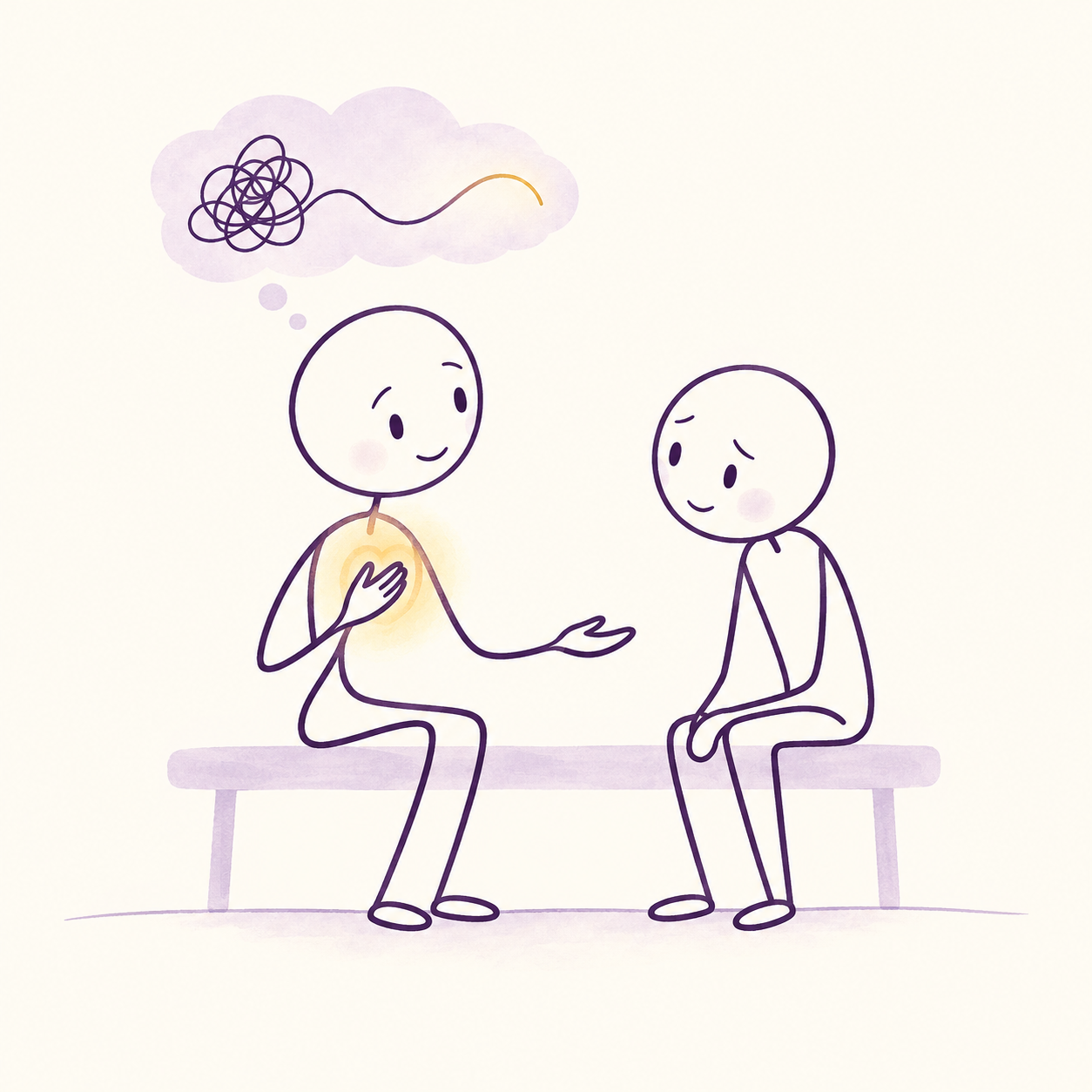
Understanding how emotions, interpretation, and cultural context shape the way we communicate, lead, and collaborate in teams.
What it enables
Many international teams experience misunderstandings, lack of trust, and communication breakdowns due to different emotional expressions, cultural interpretation styles, and implicit expectations. Messages are often “lost in translation,” not because of language, but because of emotional and cultural filters.
Who it’s for
Team members in multicultural or international environments
Managers and team leaders in global organisations
HR and People & Culture professionals
Cross-functional teams working across cultures and time zones
Key topics
Emotional intelligence in multicultural communication (self-awareness, empathy, relational awareness)
How our brain processes an emotion
How emotions influence trust, collaboration, and leadership
Universal vs culturally shaped emotional expressions
Organisational culture and its impact on communication styles and expectations
This course helps participants develop greater emotional awareness and intercultural sensitivity, enabling more conscious communication, stronger relationships, and more effective collaboration across cultures.
Workshop format
Module 1: Emotional Intelligence in Multicultural Communication
Participants explore how emotions, empathy, and cultural context influence communication, trust, and collaboration across teams.
Module 2: Organisational Culture and Intercultural Management
Participants examine how organisational and cultural values shape workplace expectations, communication styles, and team dynamics. The module includes a practical exercise where participants apply insights to real-life workplace scenarios, working in groups to reflect on communication challenges and cultural misunderstandings.
Module 3: The Culture Factor – Emotional Intelligence as a Leadership Tool
Participants learn how emotional awareness can strengthen leadership, improve decision-making, and support more effective collaboration.
Duration
Approximately 2.5 hours
Group size
Up to 15 participants
Expected outcomes
Participants will be able to:
Understand how emotions, interpretation, and cultural context shape communication and collaboration
Apply emotional intelligence principles (self-awareness, empathy, relational awareness) in multicultural settings
Recognise cultural differences in emotional expression and interpretation
Adjust communication to improve trust, clarity, and collaboration across cultures
Develop greater intercultural sensitivity in everyday teamwork
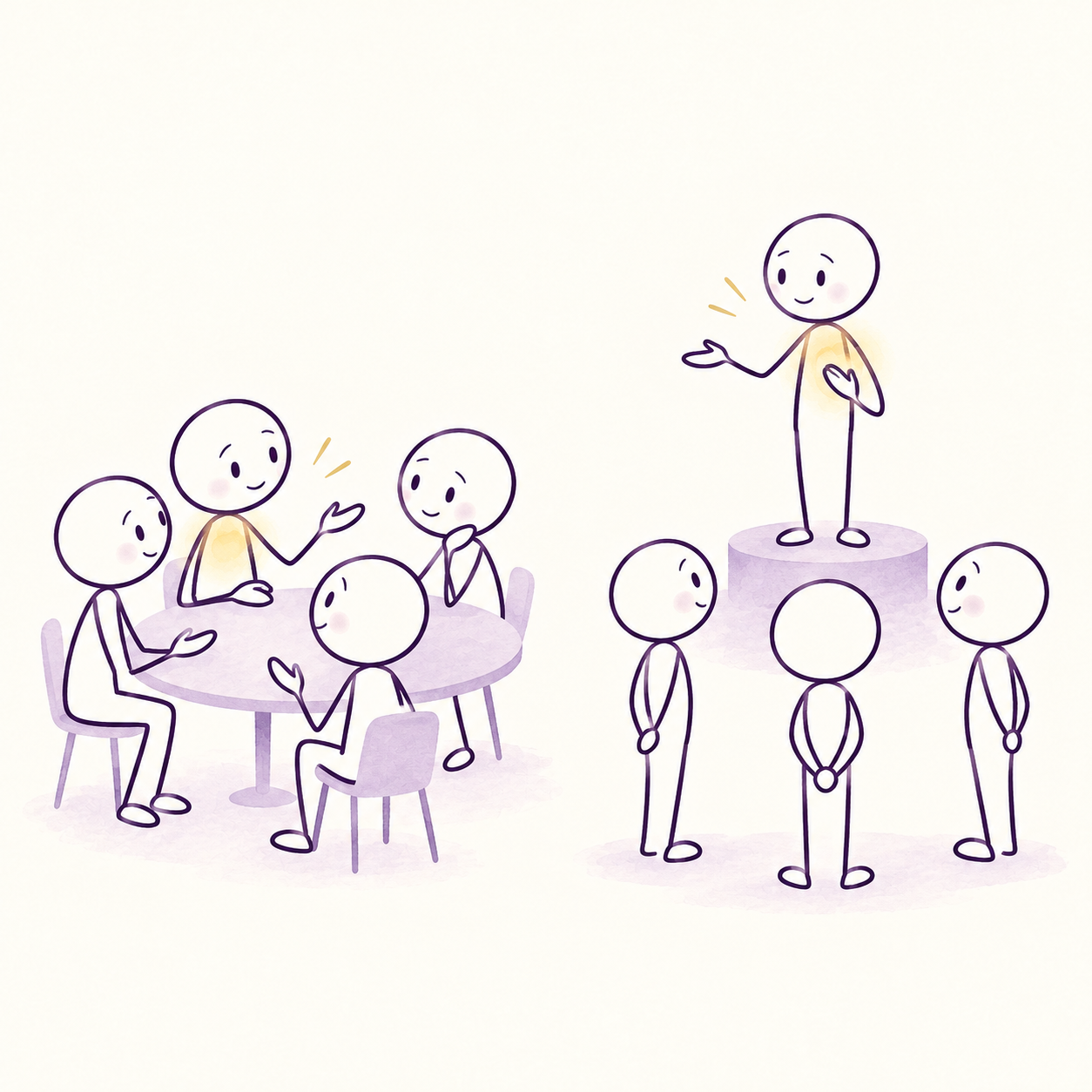
How historical and cultural roots shape leadership styles, authority structures, and workplace expectations.
What it enables
Leadership expectations often differ significantly in multicultural teams, leading to misunderstandings in communication, decision-making, and perceptions of authority. These differences are rarely explicit but strongly influenced by cultural and historical contexts.
Who it’s for
Managers and team leaders in international organisations
Multicultural and cross-border teams
HR and People & Culture professionals
Professionals working in global or diverse organisational settings
Key topics
How cultural and historical roots influence leadership styles
Hierarchical, egalitarian, and relationship-based leadership models
Authority, status, and communication across cultures
Differences in leadership expectations in global teams
Adapting leadership style in multicultural environments
Workshop format
Interactive session combining theory input, reflection, and practical group exercises in a safe and engaging environment.
The workshop is structured in three modules:
Module 1: Culture and Leadership Styles – Understanding Hierarchy and Equality
Participants explore how cultural and historical roots shape leadership styles, authority structures, and workplace expectations across cultures.
Module 2: Hierarchy vs Flat Structures in Practice
Participants compare how leadership is experienced in different organisational contexts. The module includes practical exercises based on real workplace scenarios, focusing on leadership expectations, authority, and team dynamics across cultures.
Module 3: Culture as a Leadership Lens
Participants explore how cultural awareness can support more adaptive leadership, balancing authority, collaboration, and responsibility in multicultural environments.
Duration
Approximately 2.5 hours
Group size
Up to 15 participants
Expected outcomes
Participants will be able to:
Understand how cultural and historical roots shape leadership styles and expectations
Recognise different leadership models across cultures (hierarchical, egalitarian, relationship-based)
Identify how cultural norms influence authority, communication, and decision-making
Adapt their leadership and collaboration style in multicultural environments
Improve effectiveness when working across culturally diverse teams
The workshop concludes with an open Q&A session where participants can share reflections, ask questions, and discuss practical applications in their own work context.

How different cultures build trust, and why misunderstanding these differences can affect collaboration, leadership, and business relationships.
What it enables
Trust is the foundation of successful professional relationships. However, in multicultural environments, people often rely on very different assumptions about how trust is built and maintained. When these differences are not recognised, they can lead to misunderstandings, distance, and reduced collaboration effectiveness.
Who it’s for
Managers and team leaders in international organisations
Multicultural and cross-border teams
HR and People & Culture professionals
Professionals working with global clients, partners, or suppliers
Key topics
How different cultures define and build trust
Relationship-based vs competence-based trust
Emotional connection vs performance and reliability in trust-building
Cultural assumptions in professional relationships (“business is business” vs relational business culture)
Misunderstandings and friction in multicultural collaboration
Strategies to build trust across cultural differences
Workshop format
Interactive session combining theory input, reflection, and practical group exercises in a safe and engaging environment.
The workshop is structured in three modules:
Module 1: Understanding Trust Across Cultures
Participants explore how trust is built in different cultural contexts, focusing on relationship-based and competence-based trust and how these influence professional interactions.
Module 2: Cultural Differences in Trust-Building in Practice
Participants examine how different trust expectations affect collaboration. The module includes a practical exercise based on real workplace scenarios, exploring how misunderstandings or alignment in trust-building approaches impact teamwork and communication.
Module 3: Building Trust in Multicultural Teams
Participants develop awareness of their own cultural assumptions about trust and explore practical strategies to build and maintain trust across cultural differences.
Duration
Approximately 2.5 hours
Group size
Up to 15 participants
Expected outcomes
Participants will be able to:
Understand how trust is built differently across cultures
Distinguish between relationship-based and competence-based trust models
Recognise how cultural assumptions influence collaboration and communication
Identify sources of misunderstanding in multicultural trust-building
Apply practical strategies to build stronger trust in global teams
The module concludes with an open Q&A session where participants can share reflections, ask questions, and discuss practical applications in their own work context.
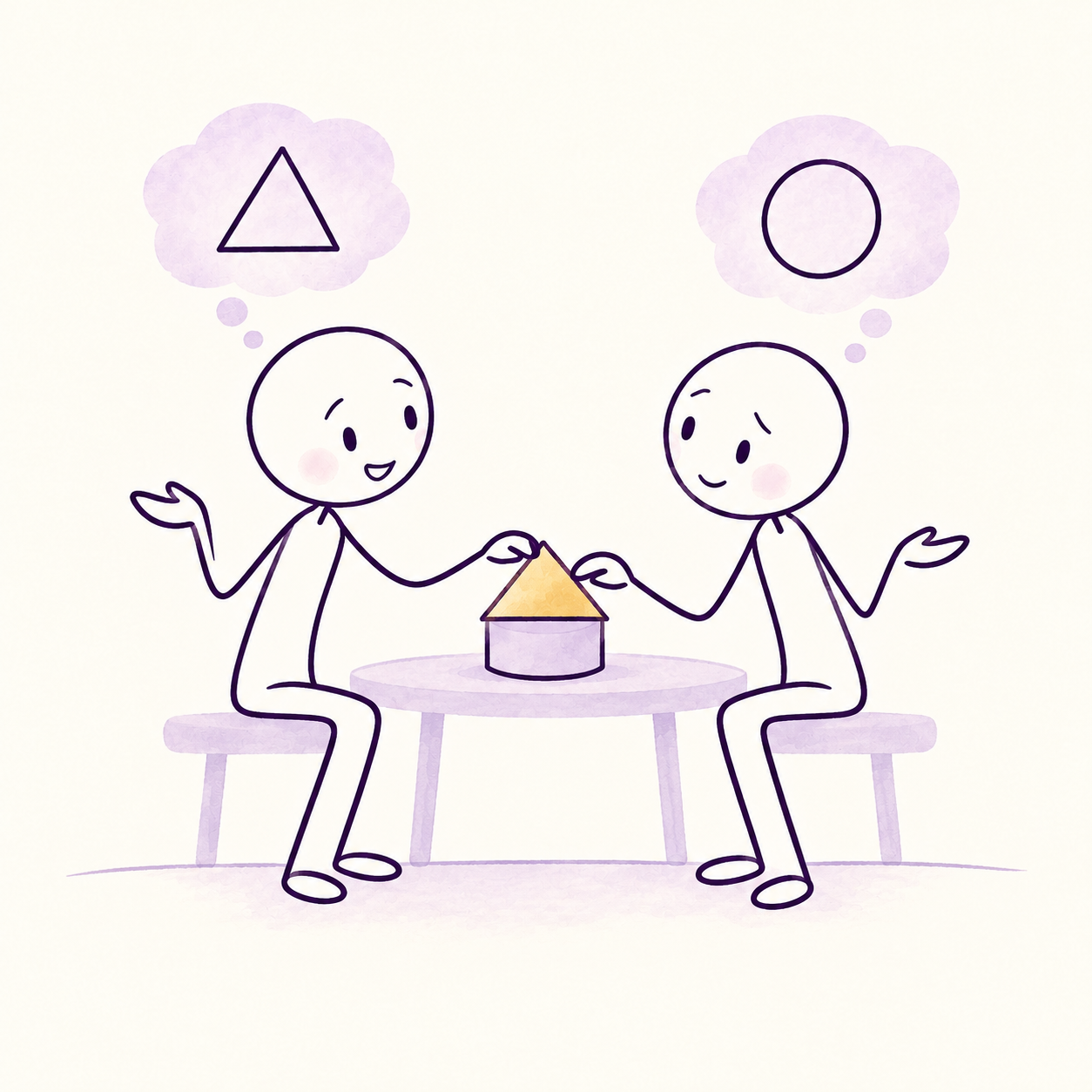
Practical approaches to managing disagreement, encouraging open dialogue, and building understanding across cultural differences.
What it enables
In multicultural workplaces, disagreement can be interpreted very differently depending on cultural norms. While in some contexts open disagreement supports critical thinking and improvement, in others it can be perceived as inappropriate or damaging to relationships. If not managed consciously, these differences can easily lead to misunderstandings or conflict escalation.
Who it’s for
Managers and team leaders in international organisations
Multicultural and cross-border teams
HR and People & Culture professionals
Teams working in high-collaboration or high-pressure environments
Key topics
Cultural perspectives on disagreement and confrontation
Direct vs indirect communication styles
Public vs private expression of disagreement
Emotional expressiveness and communication in conflict situations
Misinterpretation and escalation dynamics in multicultural teams
Strategies for constructive disagreement management
Workshop format
Interactive session combining theory input, reflection, and practical group exercises in a safe and engaging environment.
The workshop is structured in three modules:
Module 1: Cultural Perspectives on Disagreement
Participants explore how different cultures perceive and handle disagreement in professional contexts, including differences in directness, visibility, and relational impact.
Module 2: Communication Styles and Emotional Expression in Conflict Situations
Participants examine how communication styles and emotional expressiveness influence disagreement. The module includes a practical exercise based on real workplace scenarios, analysing how misunderstandings and cultural differences can escalate or be resolved.
Module 3: Managing Disagreement Constructively
Participants develop practical strategies to manage disagreement effectively, with focus on clarity, cultural awareness, and prevention of conflict escalation.
Duration
Approximately 2.5 hours
Group size
Up to 15 participants
Expected outcomes
Participants will be able to:
Understand how cultural background shapes disagreement and conflict behaviour
Recognise direct vs indirect communication styles in disagreement situations
Identify how emotional expressiveness influences conflict dynamics
Detect early signs of misunderstanding or escalation
Apply strategies to manage disagreement constructively in multicultural teams
The module concludes with an open Q&A session where participants can share reflections, ask questions, and discuss practical applications in their own work context.
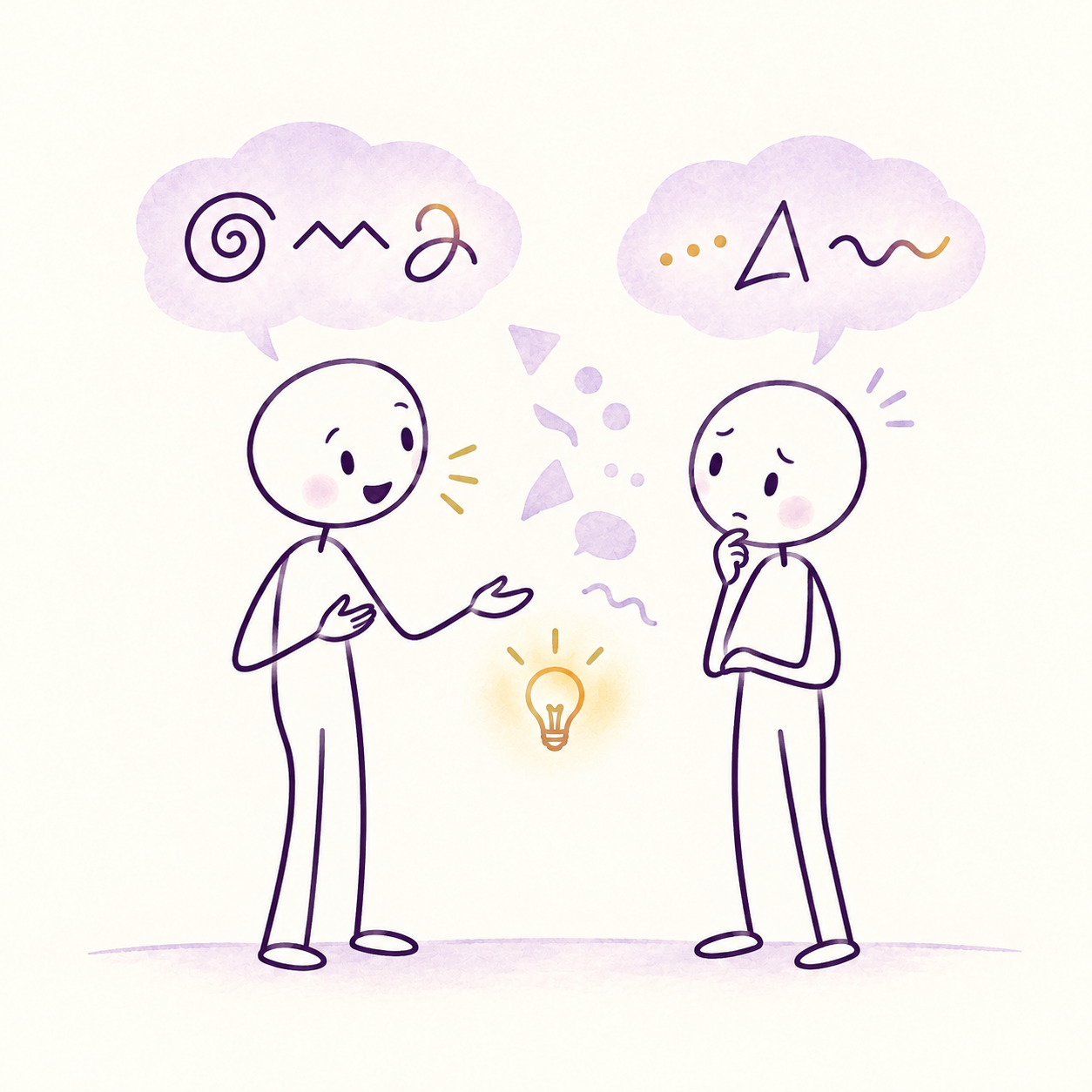
Understanding how language barriers and hidden expectations impact communication, inclusion, and team collaboration in multicultural workplaces.
What it enables
Language in multicultural workplaces goes beyond words. It carries hidden expectations, cultural habits, and emotional meanings that can easily lead to misunderstandings. These dynamics can affect both local and international employees, influencing participation, inclusion, and perceived competence.
Who it’s for
Multicultural and international teams
Managers and team leaders in global organisations
HR and People & Culture professionals
Workplaces using English as a shared working language
Key topics
Language as more than words: meaning, culture, and expectations
Hidden assumptions in multilingual workplaces
Inclusion and participation in English-speaking environments
Local vs international employee experiences
Impact of language barriers on collaboration and trust
Strategies for inclusive communication in multicultural teams
Workshop format
Interactive session combining theory input, reflection, and practical group exercises in a safe and engaging environment.
The workshop is structured in three modules:
Module 1: Language, Meaning, and Cultural Expectations
Participants explore how language carries cultural meanings, expectations, and emotional layers that influence communication and teamwork.
Module 2: Language Barriers and Workplace Experience
Participants examine how language barriers affect both local and international employees. The module includes a practical exercise based on real workplace scenarios, focusing on inclusion, participation, and collaboration challenges.
Module 3: Building Inclusive Communication in Multicultural Teams
Participants develop awareness and practical strategies to improve communication, strengthen inclusion, and support more effective collaboration in multilingual environments.
Includes group discussions, reflection, and a final Q&A session.
Duration
Approximately 2.5 hours
Group size
Up to 15 participants
Expected outcomes
Participants will be able to:
Understand how language and hidden expectations influence communication in multicultural workplaces
Recognise how language barriers affect inclusion, participation, and collaboration
Identify different workplace experiences between local and international employees
Develop awareness of linguistic and cultural adaptation in teams
Apply strategies to improve inclusive communication across languages and cultures
The module concludes with an open Q&A session where participants can share reflections, ask questions, and discuss practical applications in their own work context.
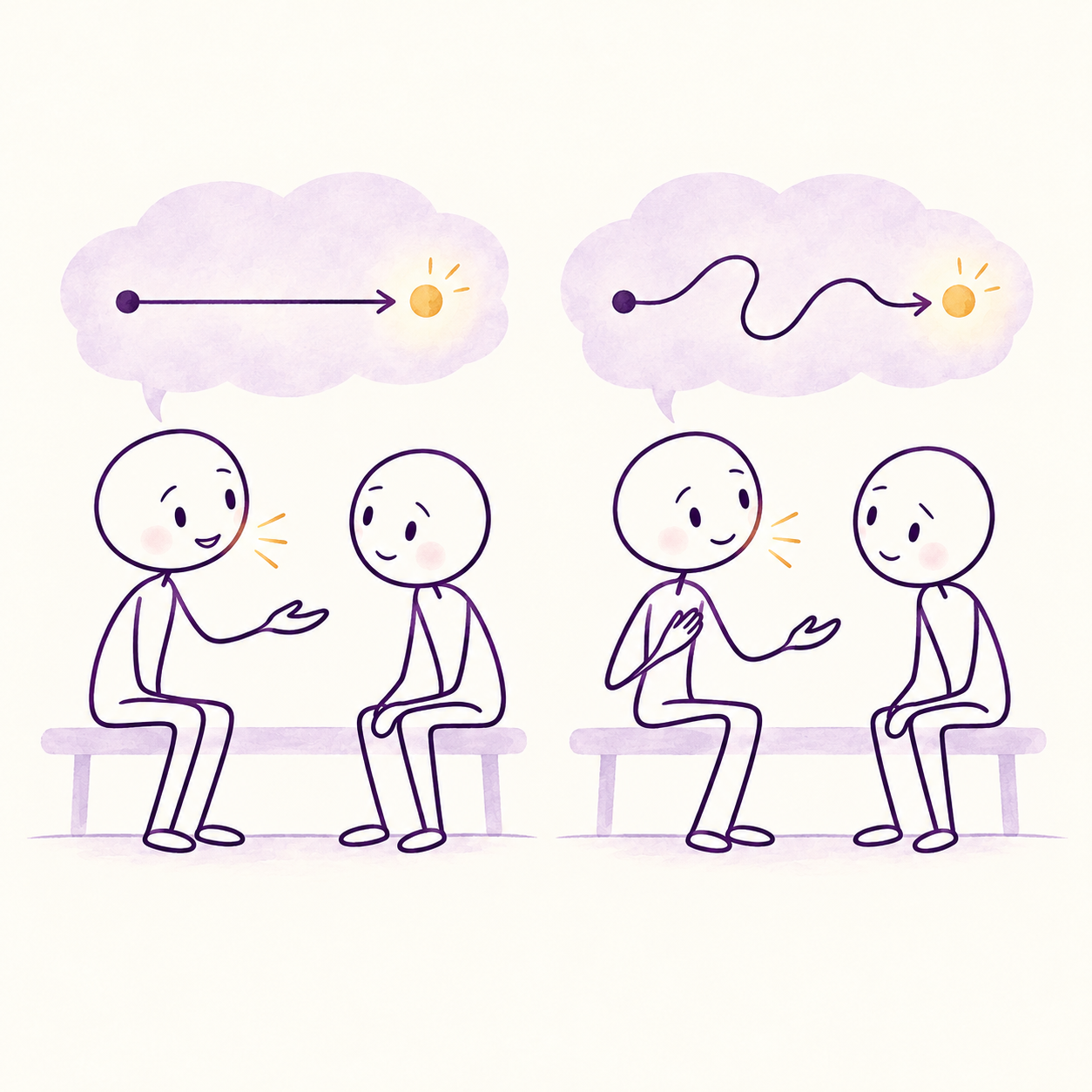
Direct and indirect communication styles, and how differences in tone, context, and unspoken meaning can shape understanding, trust, and workplace relationships across cultures.
What it enables
In multicultural teams, people may use the same language but interpret messages in very different ways. Differences in directness, tone, context, and relational awareness can easily lead to misunderstandings, reduced trust, or incorrect assumptions about intent and competence.
Who it’s for
Multicultural and international teams
Managers and team leaders in global organisations
HR and People & Culture professionals
Teams working across languages and cultural contexts
Key topics
Direct vs indirect communication styles
High-context vs low-context communication
Cultural interpretation of tone, silence, and clarity
Misunderstandings in multicultural collaboration
Impact of communication style on trust and perception
Strategies for clearer cross-cultural communication
Workshop format
Interactive session combining theory input, reflection, and practical group exercises in a safe and engaging environment.
The workshop is structured in three modules:
Module 1: Understanding Communication Styles Across Cultures
Participants explore how direct and indirect communication styles differ across cultures and how meaning is shaped by context, tone, and relational awareness.
Module 2: Communication Patterns and Misunderstandings in Practice
Participants examine how communication differences can lead to misunderstandings or misinterpretations. The module includes a practical exercise based on real workplace scenarios, identifying hidden communication patterns that affect collaboration.
Module 3: Building Clarity and Trust in Multicultural Communication
Participants develop awareness of cultural communication differences and apply emotional intelligence and intercultural skills to improve clarity, trust, and teamwork.
Duration
Approximately 2.5 hours
Group size
Up to 15 participants
Expected outcomes
Participants will be able to:
Understand how communication styles differ across cultures
Recognise direct and indirect communication approaches
Identify how misinterpretations arise from cultural differences in tone and context
Understand how communication styles influence trust and collaboration
Apply strategies to improve clarity and effectiveness in multicultural teams
The module concludes with an open Q&A session where participants can share reflections, ask questions, and discuss practical applications in their own work context.
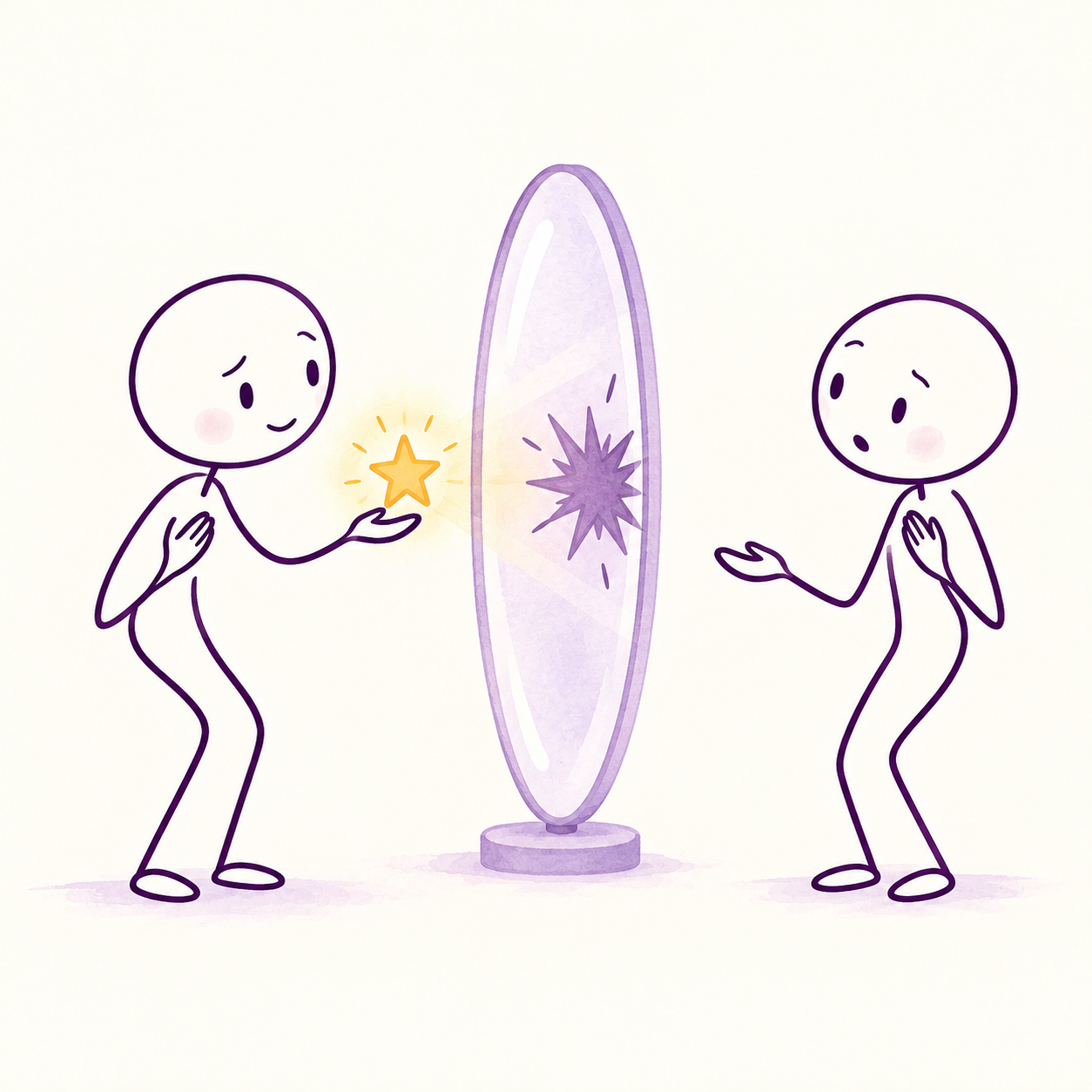
When “Clear” Sounds Rude and “Polite” Sounds Unclear
Giving feedback is one of the most challenging aspects of working across cultures. What is considered clear, respectful, or constructive in one context may be interpreted very differently in another.
What it enables
In multicultural workplaces, feedback is often misunderstood, not because of bad intentions, but because cultural norms shape how messages are delivered and interpreted. As a result, feedback can feel too direct, too vague, or not even be recognised as feedback at all, affecting trust, performance, and collaboration.
Who it’s for
Managers and team leaders in international organisations
Multicultural and cross-border teams
HR and People & Culture professionals
Teams working in feedback-heavy or performance-driven environments
Key topics
Direct vs indirect feedback styles across cultures
High-context vs low-context communication in feedback situations
Cultural perceptions of honesty, politeness, and respect
Misinterpretation of feedback in multicultural teams
Emotional impact of giving and receiving feedback
Strategies for culturally aware feedback delivery
Workshop format
Interactive session combining theory input, reflection, and practical group exercises in a safe and engaging environment.
The workshop is structured in three modules:
Module 1: Understanding Feedback Across Cultures
Participants explore how cultural communication styles influence expectations around feedback, including differences in directness, tone, and perceived respect.
Module 2: Misunderstandings in Cross-Cultural Feedback
Participants examine how feedback is interpreted in multicultural teams. The module includes a practical exercise based on real workplace scenarios, focusing on how the same message can be perceived as clear, harsh, vague, or not recognised as feedback.
Module 3: Giving Effective Feedback in Multicultural Teams
Participants develop practical skills to adapt feedback to different cultural contexts, improving clarity, trust, and psychological safety in communication.
Duration
Approximately 2.5 hours
Group size
Up to 15 participants
Expected outcomes
Participants will be able to:
Understand how culture shapes feedback delivery and interpretation
Recognise differences between direct and indirect feedback styles
Identify how misunderstandings in feedback arise in multicultural teams
Understand the emotional impact of feedback across cultures
Apply strategies to give clearer and more culturally aware feedback
The module concludes with an open Q&A session where participants can share reflections, ask questions, and discuss practical applications in their own work context.
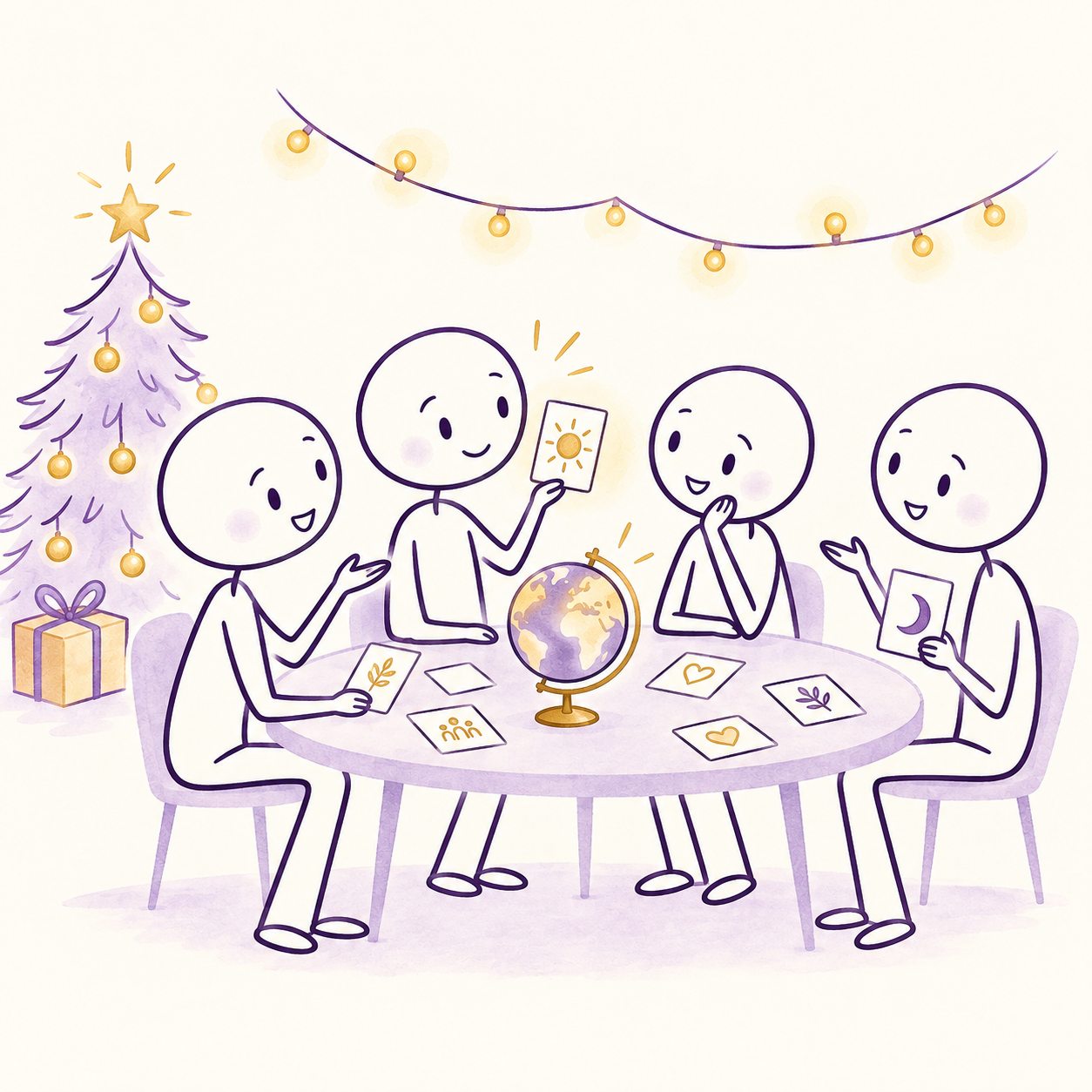
An intercultural entertainment experience for your company’s Christmas party
Company Christmas parties (julebord) are important social moments in Norway, bringing teams together in an informal and celebratory setting.
This offering goes beyond traditional entertainment.
Experience format
Through an interactive and engaging experience, we bring a cultural awareness dimension to your Christmas event. While participants enjoy the festive atmosphere, they are also invited to reflect on how cultural backgrounds shape humour, communication styles, social behaviour, and group dynamics.
Light, entertaining activities are designed to reveal how the same situation can be perceived differently depending on cultural perspectives. What feels funny, formal, distant, or engaging is not universal, and these differences often become visible in international teams during informal settings like the julebord itself.
What it enables
Company Christmas parties bring teams together in an informal and celebratory setting. At the same time, these environments often reveal cultural differences in humour, communication styles, and social behaviour that can influence how people connect and interact.
Who it’s for
International and multicultural teams in Norway
Companies hosting a julebord or end-of-year celebration
Organisations wanting to combine social bonding with light cultural awareness
Teams looking for a shared, inclusive festive experience
Key topics
Cultural differences in humour and social interaction
Communication styles in informal settings
Group dynamics in multicultural teams
Hidden cultural assumptions in social events
Building connection and awareness through shared experience
Duration
Flexible (typically 1.5–3 hours, integrated into the Christmas event)
Group size
Adaptable to company size (small teams to large groups)
Expected outcomes
Participants will be able to:
Experience how cultural perspectives influence humour and social interaction
Recognise differences in communication and behaviour in informal settings
Strengthen relationships through shared experience and interaction
Develop light cultural awareness in a non-formal context
Build a stronger team connection during the Christmas celebration
The session is fully adapted to the festive atmosphere of a julebord and can be tailored to the company’s size, context, and level of interaction.
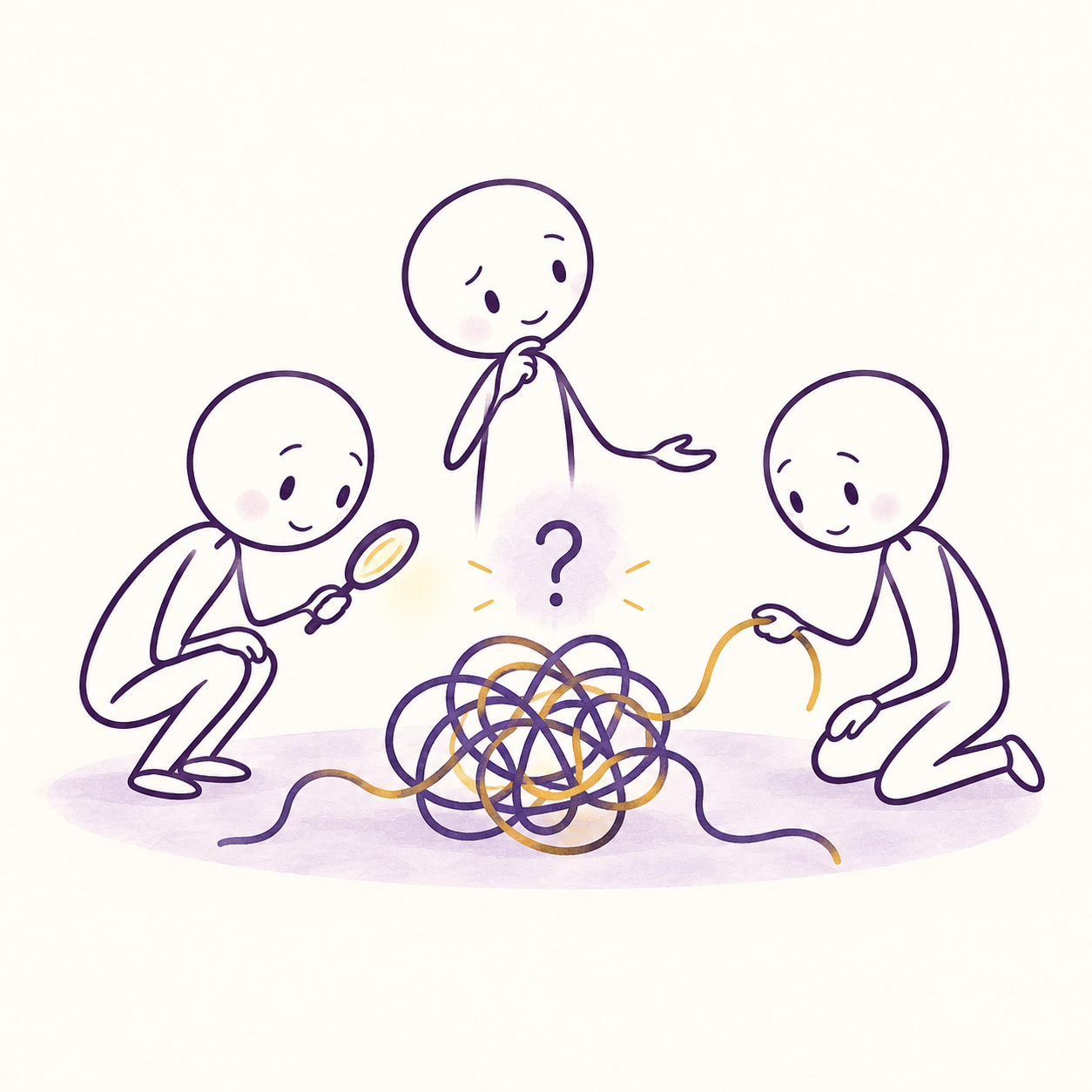
What is your team’s real challenge?
Which language is mainly used in your team, and is it comfortable for everyone?
How is silence perceived? As an awkward gap that needs to be filled, or as a space where someone feels more comfortable speaking?
How many communication styles live within your team?
Do people address challenges directly or prefer a more indirect approach?
Is feedback best given openly, or with more nuance? How is feedback received, and how is it usually delivered?
Do challenges tend to be avoided, or are they faced head-on?
How does your team relate to time? Is it something flexible, or something that needs precision?
How aware is the team of stereotypes and the perceptions they shape?
What it enables
Every team operates with a set of visible and invisible communication patterns, cultural assumptions, and behavioural norms. When these are not aligned, misunderstandings, inefficiencies, and friction can emerge — often without being clearly identified.
This workshop helps make those dynamics visible, creating a shared understanding of how the team actually works.
Who it’s for
Multicultural and international teams experiencing collaboration challenges
Managers and team leaders seeking to improve team dynamics
HR and People & Culture professionals supporting organisational development
Teams working across languages, cultures, or hybrid environments
Key topics
Team communication patterns and hidden norms
Language comfort and linguistic inclusion in teams
Silence, participation, and speaking dynamics
Direct vs indirect communication styles
Feedback culture and emotional safety
Conflict avoidance vs direct confrontation
Time perception and work pacing in teams
Stereotypes, perceptions, and unconscious biases
Workshop format
This is a facilitated diagnostic and development intervention, tailored to the specific needs and dynamics of each team.
Rather than a standard training session, the workshop uses guided reflection, structured dialogue, and targeted questions to surface how the team actually communicates and collaborates in practice.
The format is fully flexible and can be adapted in depth, focus, and duration depending on organisational context and complexity.
The process typically includes facilitated group discussion, real-case exploration, and reflective exercises designed to make implicit team dynamics visible and discussable.
Duration
Fully flexible (typically 2.5 hours to half-day, or extended formats for deeper interventions)
Group size
Up to 15 participants (larger groups can be structured into sub-groups)
Expected outcomes
Participants will be able to:
Identify underlying communication patterns within the team
Recognise cultural and behavioural differences affecting collaboration
Increase awareness of how language, silence, and feedback are interpreted
Understand how assumptions and stereotypes influence teamwork
Develop shared strategies to improve communication and collaboration
Create a clearer foundation for team alignment and interaction
Closing note
This workshop is not a standard training session. It is a tailored diagnostic process designed to help teams understand themselves more clearly and work together more effectively.
No results found
No results match your search. Try removing a few filters.
Book your Workshop